what is a grub insect
If you are searching about Pest Spotlight: Grub Control | Cardinal Lawns you've came to the right page. We have 10 Pictures about Pest Spotlight: Grub Control | Cardinal Lawns like What Do Grubs Look Like? | Grub Identification Guide, What Is a Grub Worm? (And How to Get Rid of Them) - My Backyard Life and also White Grubs - Insects Morphology. Here it is:
Pest Spotlight: Grub Control | Cardinal Lawns
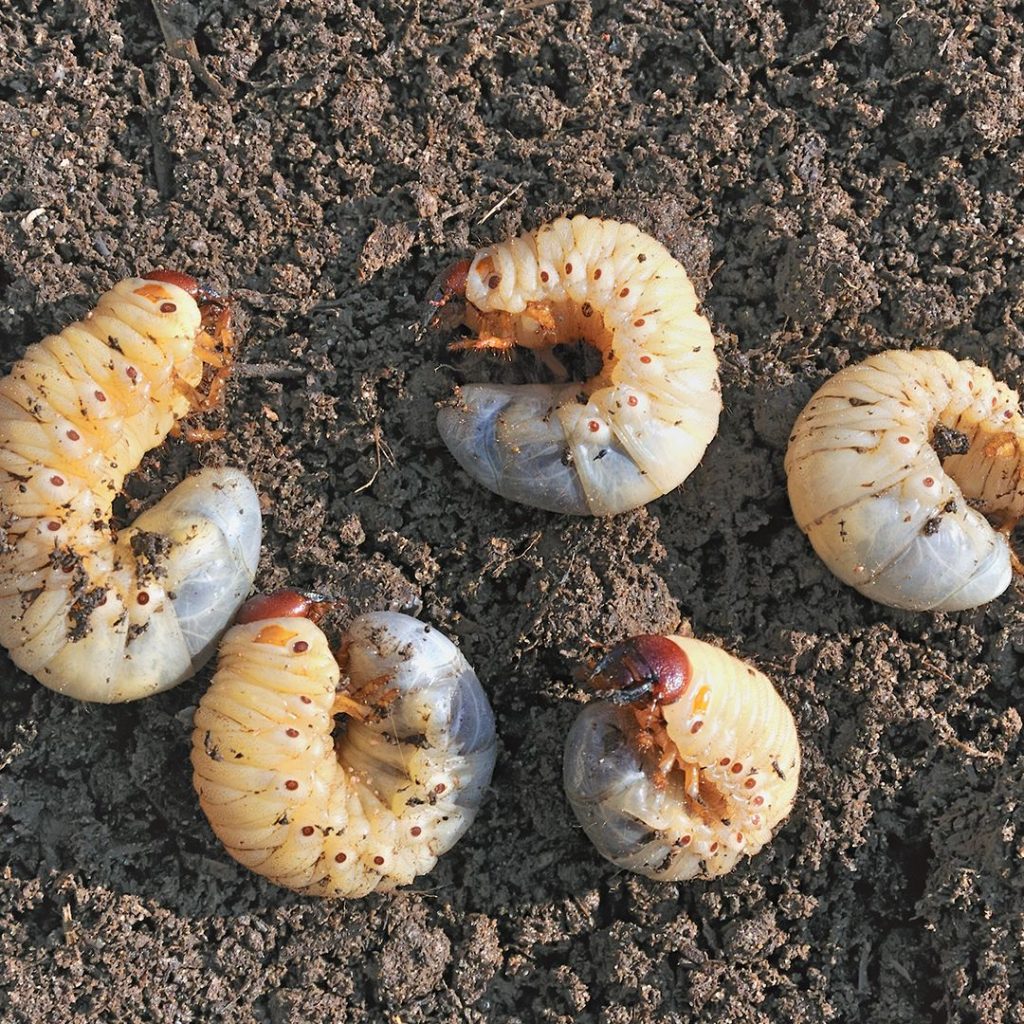 www.cardinallawns.com
grubs grub pest root identifying treating aeration pests
Grub Talk: The Life Cycle Of The White Grub
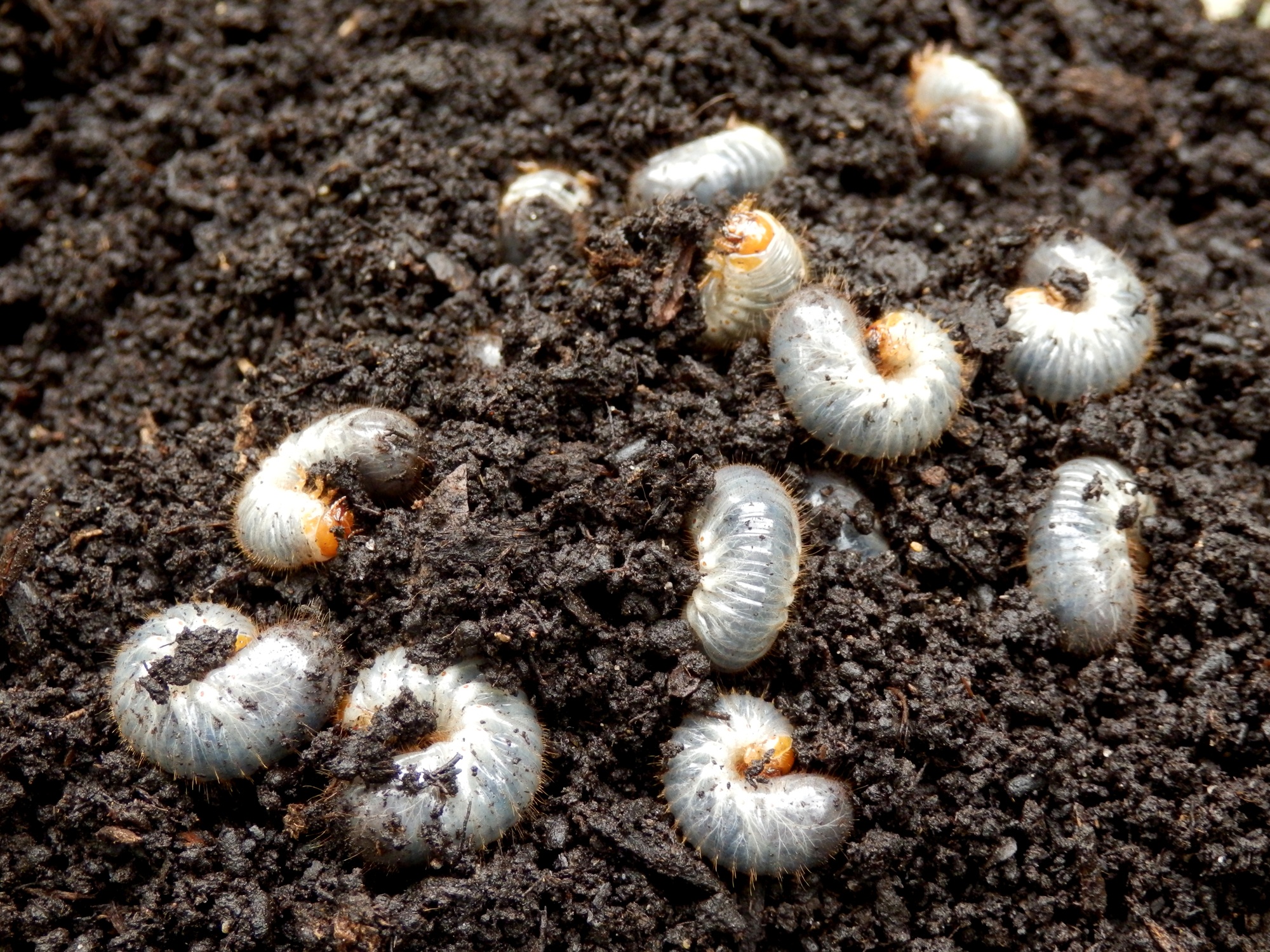 blog.nutrilawn.com
grub grubs life cycle lawn talk turf
Grub - Definition Of Grub
 www.healthbenefitstimes.com
grub glossary sugarcane insect groundnut
Which Witchetty Grubs To Grab: Choose Your Insect Dinner Wisely
 www.ecolsoc.org.au
grubs witchetty grub insect grab
What Is A Grub Worm? (And How To Get Rid Of Them) - My Backyard Life
 mybackyardlife.com
grub worm them rid life affiliate may contain links if post click
White Grubs - Insects Morphology
 insects-morphology.blogspot.com
grubs insects morphology
Grubs 101: What Are They And How To Get Rid Of Them - Ivy-Terra
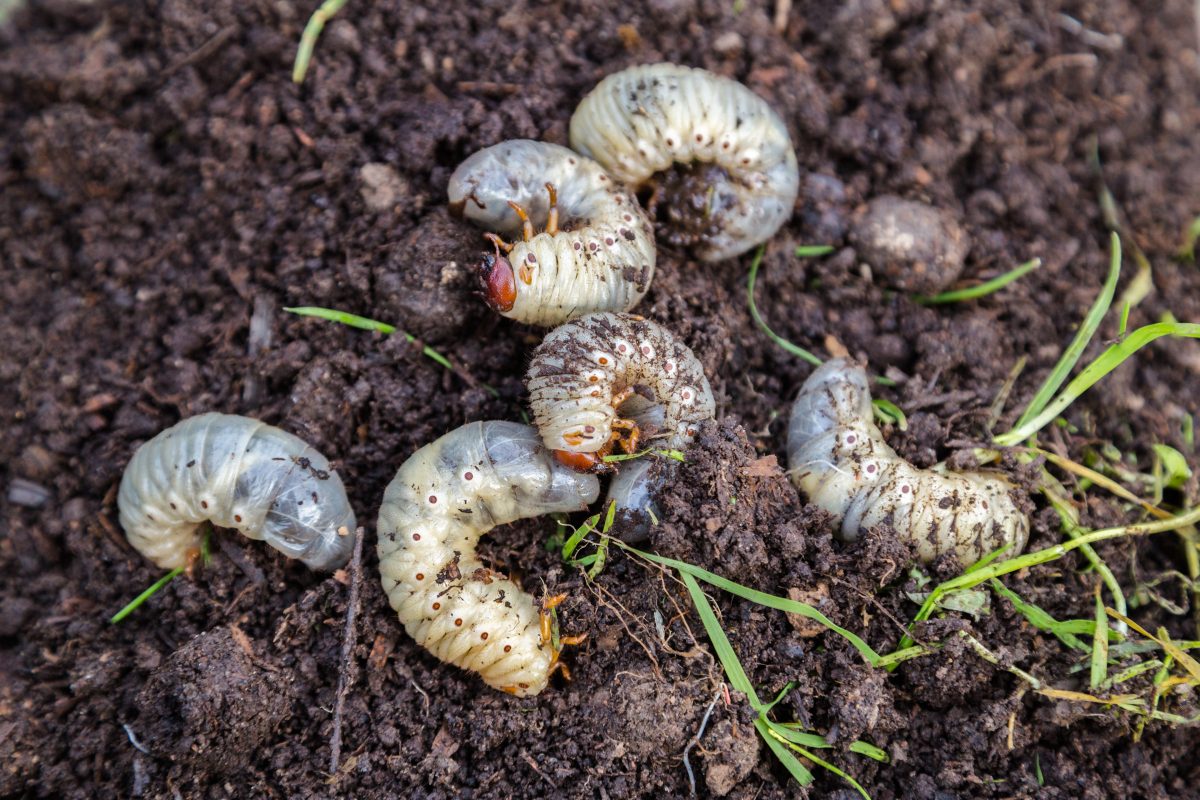 ivy-terra.com
grubs grub pests caterpillar harming pest burrowing
Managing White Grubs In Turfgrass
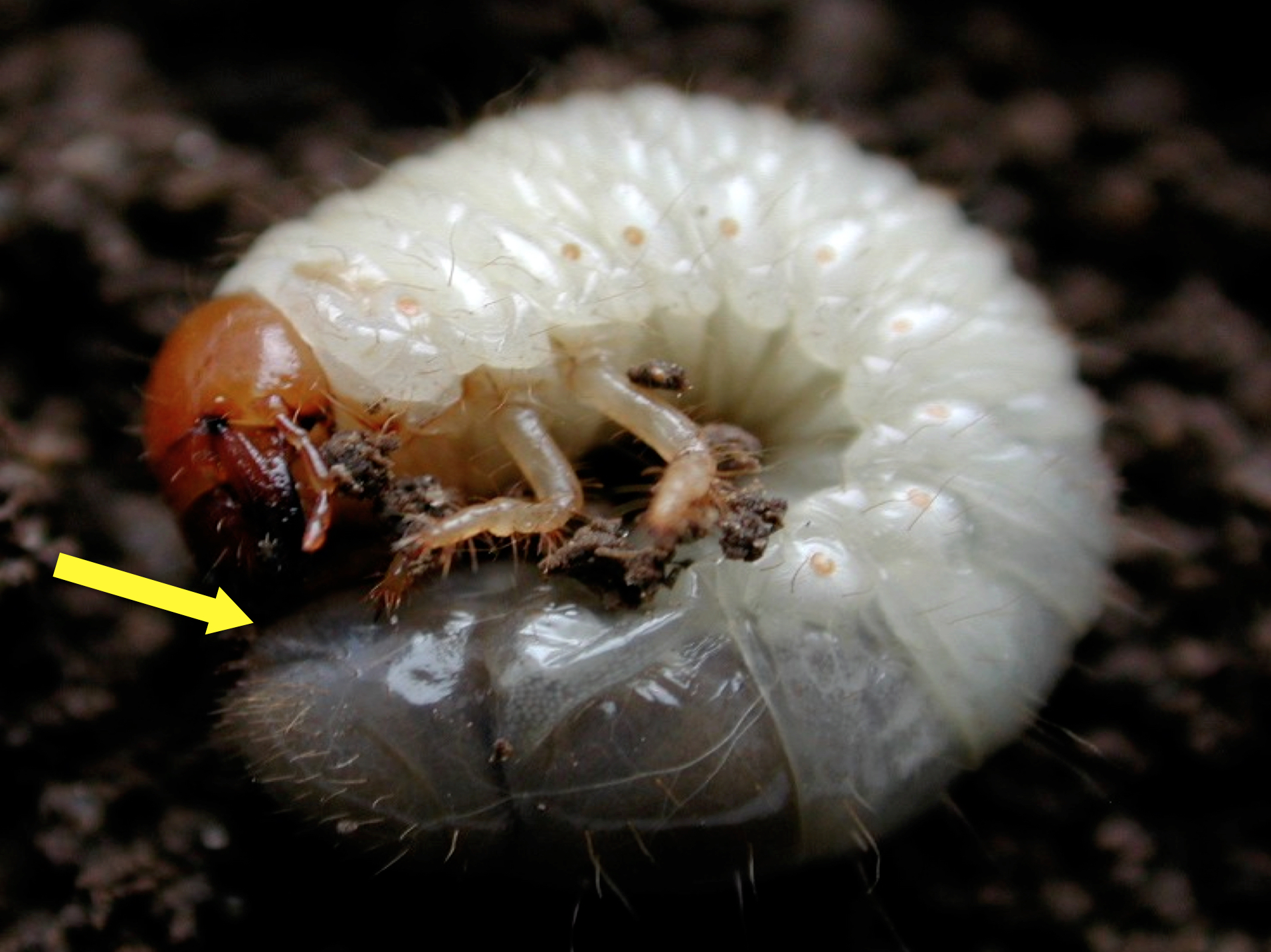 extension.entm.purdue.edu
grubs grub soil insects turfgrass yellow legs body identification identifying typical figure indicates shaped arrow plant time useful raster location
What Do Grubs Look Like? | Grub Identification Guide
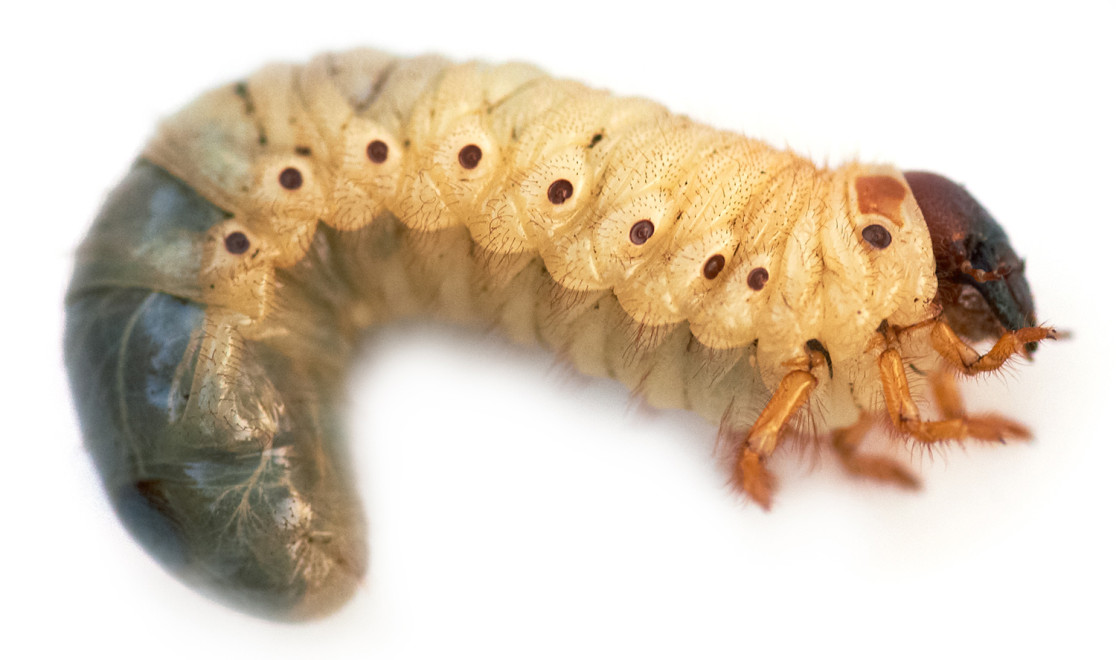 www.domyown.com
grub grubs identification guide killer control lawn beetles pest peanuts domyown other body scarab close look head via own
What Are Lawn Grubs? – LawnCentral
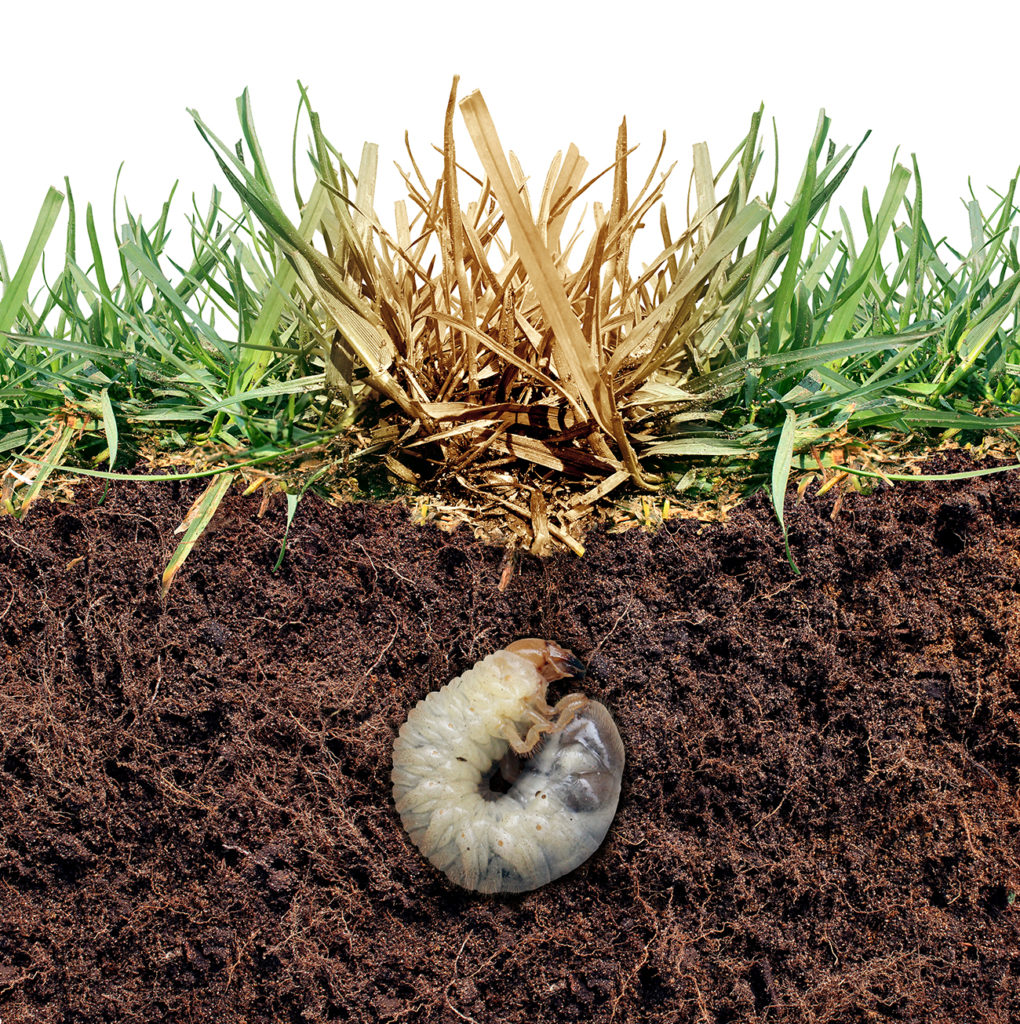 www.lawncentral.com
grub grubs engerlinge soil rasen engerlingen pests identify insects bestrijden insect chinch larvae patchy dwelling roots profi tegen aaltjes worm
Grubs grub pest root identifying treating aeration pests. Grub talk: the life cycle of the white grub. Grubs 101: what are they and how to get rid of them. Grub worm them rid life affiliate may contain links if post click. Grubs insects morphology. Grubs witchetty grub insect grab. Pest spotlight: grub control. Grub grubs identification guide killer control lawn beetles pest peanuts domyown other body scarab close look head via own. Grub grubs engerlinge soil rasen engerlingen pests identify insects bestrijden insect chinch larvae patchy dwelling roots profi tegen aaltjes worm. Grubs grub soil insects turfgrass yellow legs body identification identifying typical figure indicates shaped arrow plant time useful raster location. Grubs grub pests caterpillar harming pest burrowing. Grub glossary sugarcane insect groundnut. Which witchetty grubs to grab: choose your insect dinner wisely. What are lawn grubs? – lawncentral. Managing white grubs in turfgrass. What do grubs look like?. Grub grubs life cycle lawn talk turf. White grubs. What is a grub worm? (and how to get rid of them)
Attracting Insects: bargain the inclusion with Light
Introduction
In the realm of entomology, few phenomena are as attractive as the fellow feeling of insects to light sources. This unusual actions has intrigued scientists, hobbyists, and interested observers alike for centuries. In this combine exploration, we delve into the intricate details of why insects are drawn to light, unraveling the mysteries at the rear this enthralling phenomenon.
The Evolutionary Perspective
Adaptation to Natural fresh Sources
Throughout evolutionary history, insects have developed sophisticated mechanisms to navigate their surroundings and locate resources necessary for survival. Natural well-ventilated sources, such as the sun and the moon, have played a pivotal role in guiding insects in their quest for food, mates, and shelter. beyond time, these organisms have honed their aversion to light, enabling them to utilize it as a honorable navigational tool.
Artificial buoyant and its Influence
With the advent of exaggerated lighting, particularly in urban environments, insects have encountered a novel and obscure stimulus. Streetlights, illuminated buildings, and supplementary man-made sources emit light spectra that differ significantly from those of natural sources. Despite this disparity, positive insects exhibit a mighty likeness to exaggerated lights, often to their detriment.